PG&E Hosts Multicultural Media Roundtable on Wildfire Safety and Emergency Preparedness

VACAVILLE, Calif. — July 8, 2026 — Pacific Gas and Electric Company hosted its annual Wildfire Safety and Preparedness Media Roundtable on Wednesday in Vacaville, offering multicultural media representatives an inside look at the company’s emergency-response operations and resources available during wildfire season.
More than 42 participants representing 35 multicultural media outlets attended the event at PG&E’s Vacaville Emergency Operations Center. Organized as part of the ACoM/PG&E Fellowship Series, the roundtable focused on wildfire risks, emergency preparedness, customer assistance and Public Safety Power Shutoffs.
Scott Strenfel, PG&E’s senior director of meteorology and fire science, provided an overview of California’s weather outlook and wildfire activity for 2026. PG&E officials said California recorded fewer wildland fires and fewer acres burned between Jan. 1 and July 7, 2026, compared with the same period in 2025. However, they cautioned that wildfire conditions can change quickly and urged residents to remain prepared throughout the fire season.
Officials explained that a Public Safety Power Shutoff, commonly known as a PSPS, may be used as a last-resort safety measure when weather and environmental conditions create a high risk of wildfire. Factors considered before initiating a shutoff include strong winds, low humidity, dry vegetation, National Weather Service Red Flag Warnings and real-time observations from field crews.
PG&E also outlined its “layers of wildfire protection” strategy, which combines situational awareness, operational response and long-term infrastructure improvements. The company’s efforts include weather-monitoring technology, trained emergency-response teams, vegetation management, enhanced powerline safety settings, stronger equipment and undergrounding powerlines in areas with high wildfire risk.
Support for customers with Access and Functional Needs was a major focus of the discussion. Presenters highlighted programs such as Medical Baseline and the Self-Identified Vulnerable Customer Program. These programs may provide eligible customers with additional notifications before a power shutoff and connect them with resources such as portable batteries and backup-power assistance.
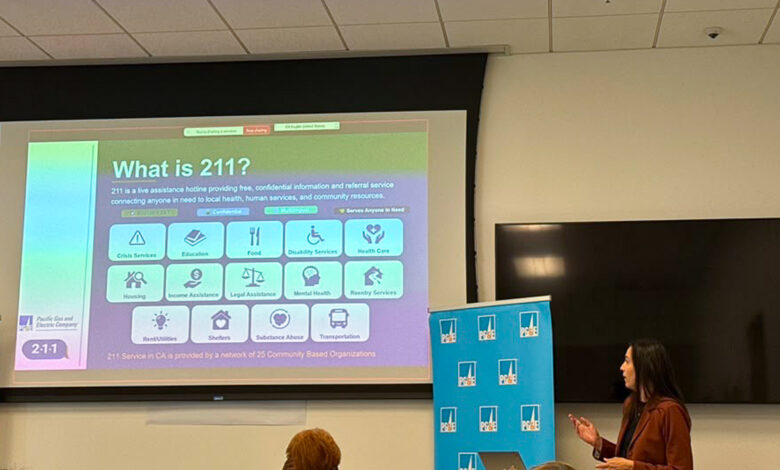
Alana Hitchcock, CEO of 211 California, explained how the statewide assistance hotline supports vulnerable residents before, during and after PSPS events.
“Think 911, but for every other type of help people need that is not police, fire, medical or another emergency,” Hitchcock said.
The 211 service can connect residents with local resources, including food, shelter, transportation, housing and utility assistance, health care, disability services, legal help and crisis support. During a PSPS event, available assistance may include food delivery, temporary lodging, transportation to cooling centers or other safe locations, and help locating backup-power resources.
Speakers also emphasized the importance of delivering emergency information in multiple languages and accessible formats. According to information presented at the event, approximately 16.2 million Californians—or 44.4% of the state’s population—speak a language other than English at home. Spanish is the most widely spoken language after English, followed by Tagalog and Chinese. In the Bay Area, nearly 468,000 residential customers prefer to receive information in a language other than English.
Evelyn Escalera, a communications representative with PG&E’s Integrated Multicultural Communications team, said multicultural media outlets are trusted information sources for many of the company’s customers.
“They help us share wildfire safety, preparedness and PSPS resources in ways that are accessible, timely and culturally relevant,” Escalera said.
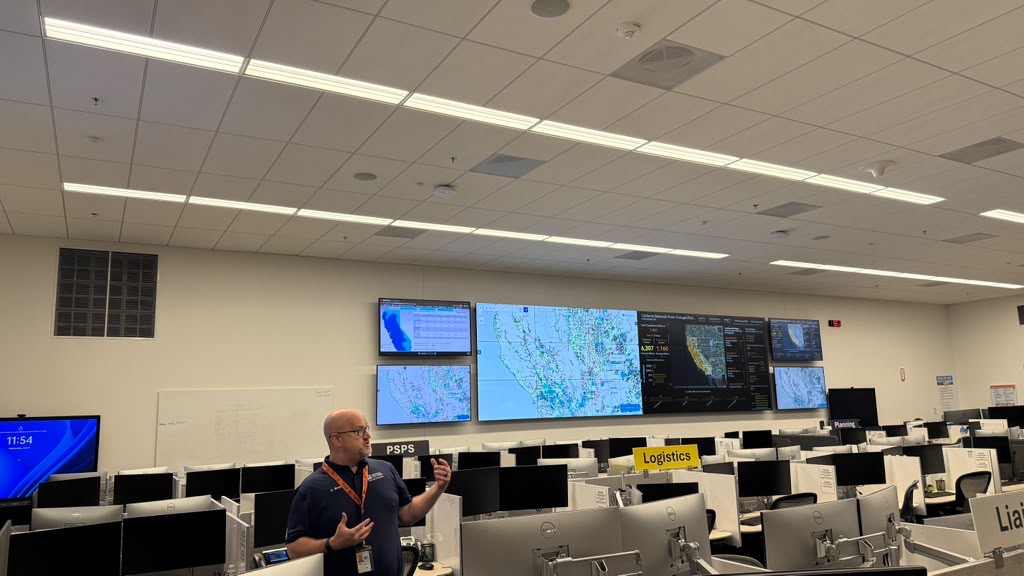
Following the presentations, participants toured PG&E’s Emergency Operations Center, where staff monitor weather conditions, wildfire threats, power outages and emergency-response activities. Large screens displayed outage information, statewide maps and tools used to plan and coordinate emergency operations.
Brian Ho, general manager of News for Chinese, said the briefing provided practical information that multicultural media organizations could share with their audiences before wildfire season intensifies. He said hearing directly from PG&E’s meteorology, emergency-preparedness and customer-service teams helped participants better understand in-language PSPS notifications, 211 assistance and resources for communities with access and functional needs.
The event concluded with a networking lunch. The roundtable highlighted the important role multicultural and community media outlets play in delivering accurate, timely and culturally relevant emergency information, particularly to residents who may face language, disability or accessibility barriers.