California Civil Rights Summit urges reporting, support as hate affects millions statewide
State officials urge immigrant and refugee communities to report hate and seek confidential support through CA vs Hate.


SAN FRANCISCO — California civil rights officials, researchers, artists, and community advocates gathered in San Francisco this month for the state’s first Civil Rights Summit, warning that hate incidents remain widespread across the state and urging residents to report acts of hate even when they do not meet the legal definition of a crime.
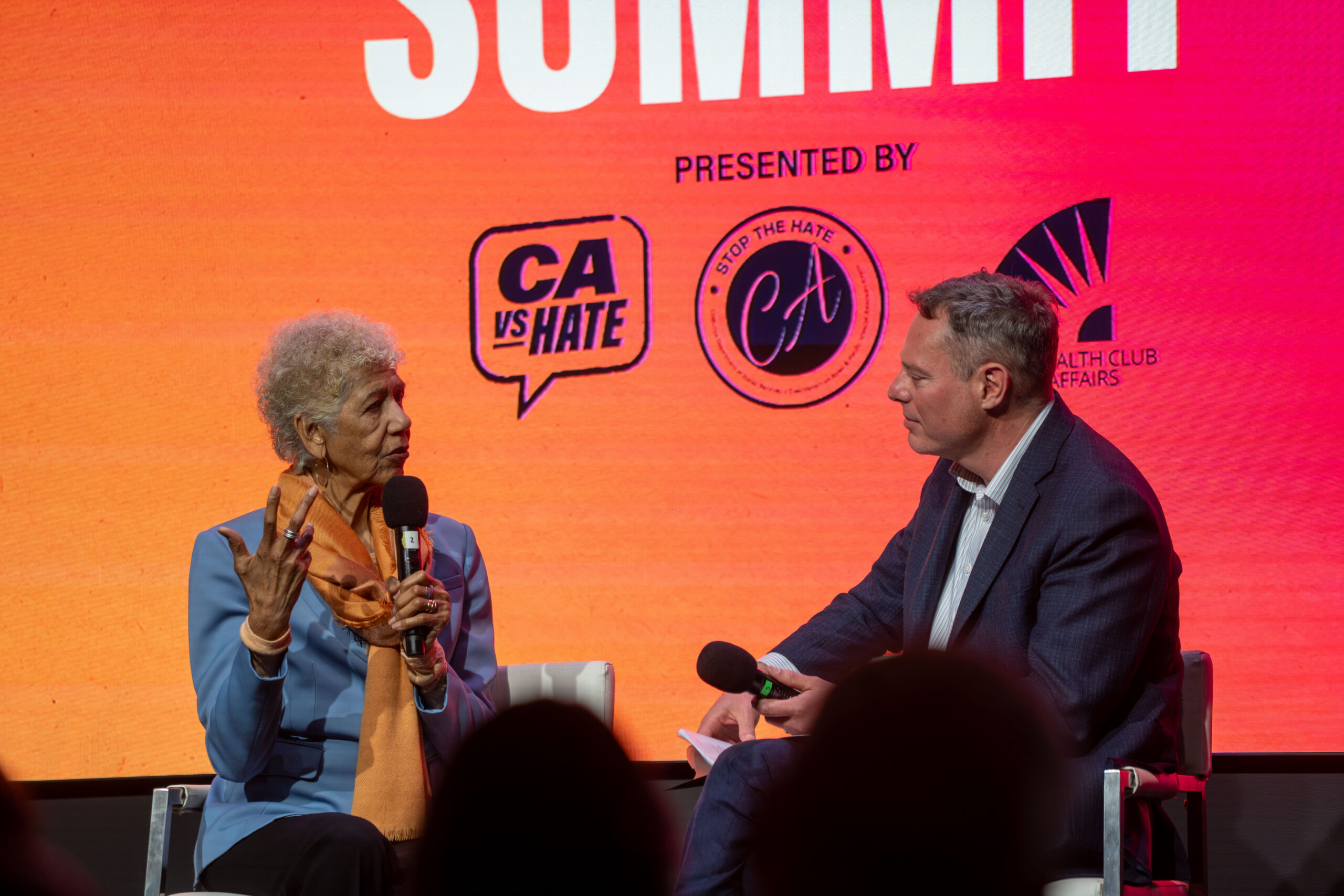
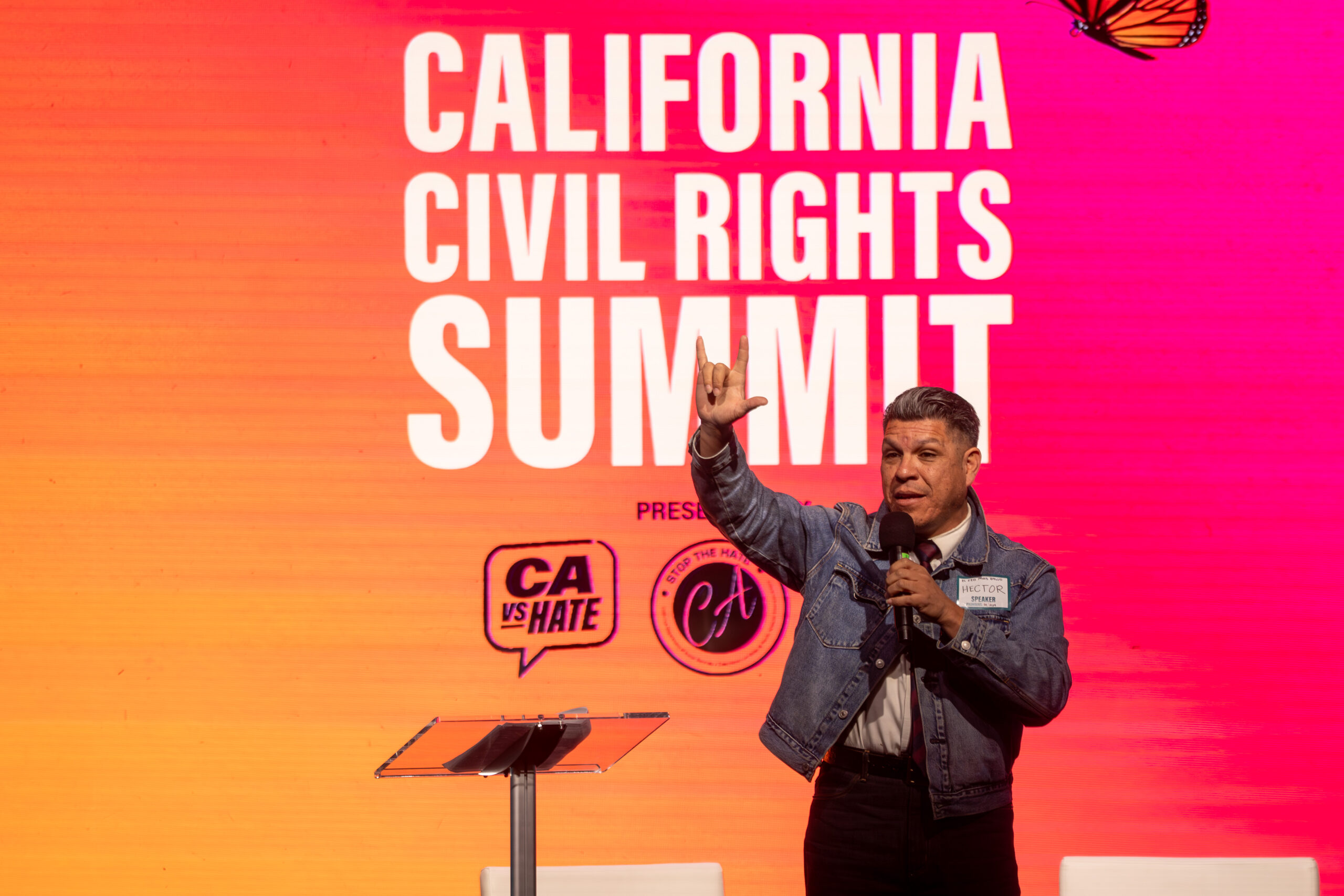
The May 11 summit, held at the Commonwealth Club of World Affairs, was hosted by the California Civil Rights Department through its CA vs Hate initiative, in partnership with the California Commission on the State of Hate and Stop the Hate. The full-day event brought together state leaders, researchers, organizers, artists, and community members for discussions on preventing hate, supporting victims, and strengthening belonging across California.
For Afghan immigrants and other refugee communities in California, the summit carried a practical message: Hate should not be ignored, minimized, or normalized. It should be documented, reported, and addressed through community support, civil rights protections, and public services.
“People all across California are united in the fight against hate,” said Kevin Kish, director of the California Civil Rights Department. Kish said the summit showed that communities can “bridge almost any divide” when they work together and invest in support systems for people affected by hate.
Data shows hate is widespread in California
Researchers at the summit presented findings from the California Health Interview Survey, conducted by UCLA’s Center for Health Policy Research. The data showed that about 3 million Californians experienced at least one act of hate in the past year. That represents roughly one in 10 adults and teenagers statewide.
The figure includes both hate crimes and noncriminal hate incidents. A hate crime is a criminal offense motivated by bias. A hate incident may include harassment, intimidation, verbal abuse, threats or discrimination that causes harm but may not meet the legal threshold for prosecution.
Dr. Adrian Bacong of the California Civil Rights Department said the data shows a large gap between what communities experience and what official records capture. He said national estimates suggest law enforcement data captures only about 3% of actual hate crime victimizations.
San Francisco’s rate was higher than the statewide average. Researchers said 12.8% of San Francisco residents experienced a hate act, compared with the California average of 9.4%. Alameda County also reported a higher-than-average rate.
Race and skin color were among the most commonly cited reasons people believed they were targeted. Other major reasons included ancestry, national origin, language, sexual orientation, and gender identity.
For immigrant communities, those categories often overlap. A person may be targeted because of an accent, language, clothing, religion, skin color or perceived national background. Afghan immigrants, for example, may experience Islamophobia, anti-immigrant hostility, racial profiling or language-based discrimination.
One victim quoted in summit materials said, “I do feel like sometimes I can’t seek help from authorities just because of my race.”
Officials said such experiences help explain why many people do not report hate. Some victims believe they will not be taken seriously. Others fear contact with police or government agencies. Some do not know where to go for help.
Officials say underreporting remains a major barrier
Several speakers said underreporting makes it harder for California to understand the full scope of hate and direct resources to communities that need support.
Dr. Rebecca Goodsell of the California Civil Rights Department said many victims do not report incidents because of distrust in law enforcement, language barriers, lack of accommodations for people with disabilities or the belief that reporting will not lead to meaningful help.
“For some, the experience of hate may be so normalized that they may not think that it’s a big enough deal to report it,” Goodsell said.
Another victim quoted by researchers described an inadequate response after reporting an incident: “Sorry, this happened to you, but we can’t help you.”
Goodsell said even when an incident is not classified as a crime, it can still harm people and communities. Victims may need counseling, safety planning, help documenting incidents, referrals to community organizations or assistance navigating schools, workplaces, housing systems or public agencies.
The California Commission on the State of Hate has issued 42 recommendations across three annual reports. Commissioner Russell Roybal said the commission’s work focuses on monitoring hate, strengthening responses and preventing future incidents.
“We know that California’s efforts to stop hate need to be informed by the wisdom and expertise of the communities of California,” Roybal said.

The commission has also worked with California’s Peace Officer Standards and Training agency to improve law enforcement training. A training video based on Assembly Bill 449 uses real victim experiences to show effective and ineffective responses to hate crimes and incidents.
Officials said the goal is to ensure victims are not dismissed, even when an incident cannot be prosecuted. One victim who received help after a physical assault said, “The police officer who showed up — he actually handed me a card for counseling.”
For Afghan families, this distinction matters. A student bullied because of language, a woman harassed because of clothing, or a worker insulted because of an accent may not know whether the incident is legally a crime. State officials said people should still report and seek help.
Schools and youth seen as key to prevention
The summit also focused on preventing hate before it becomes normalized, especially in schools.
Dr. Kevin Thomas of the California Civil Rights Department said about 12% of California teenagers experienced hate at school in the past year, and one in four witnessed it.
Thomas said prevention must involve schools, families, local governments, and community organizations. Teachers and school staff are often among the first adults who can identify hate, bullying, or bias affecting young people.
He also said public messaging matters because people’s behavior is shaped by what they believe their community accepts. If prejudice appears normal, hate can spread. If communities make anti-hate values visible, behavior can change.
Youth advocates said hate is often learned from adults, politics, media, and online spaces. Tony Douangviseth, executive director of Youth Together, said adults must model the values they want young people to practice.
“It’s not only important to develop youth leaders,” Douangviseth said. “It’s important to inspire.”
Pakal Arroyo-Murillo of Youth Together said communities should avoid treating hate as someone else’s problem.
“It’s not ‘your problem,’ it’s not ‘my problem’; it’s our problem,” Arroyo-Murillo said.
For Afghan students in California, school-based prevention is especially important. Many newcomer students are learning English, adjusting to a new education system and trying to build friendships in unfamiliar environments. Some may face bullying or isolation because of their refugee background, religion, ethnicity, or language ability.
Summit speakers said schools need trusted reporting systems, language access, and culturally informed support for students and parents.

Art, media and storytelling frame hate as a shared problem
The summit included performances, films and discussions on how culture and storytelling can help communities confront hate.
Hip-hop artist and activist Ruby Ibarra said artists have a responsibility to speak during politically difficult times.
“There’s no way I’m going to have a microphone in my hand and not have it be political,” Ibarra said. She also said her joy comes from seeing young people lead, saying, “The youth is leading the way.”
San Francisco Drag Laureate Per Sia and other artists connected personal experience with broader civil rights concerns. Favianna Rodriguez, founder of the Center for Cultural Power, said cultural change often comes before political change.
The summit screened films about elders, children, fear and bias. One documentary followed Chinese American elders in Oakland’s Chinatown who felt unsafe after post-pandemic violence and robberies. Through cross-community engagement, they learned about other neighborhoods and the experiences of incarcerated Asian youth working toward rehabilitation.
Another film showed how children can learn racial prejudice from adults. Speakers said those stories show that hate is not natural but taught, repeated and reinforced.
The summit addressed anti-Asian hate, Islamophobia, anti-Black racism, anti-Latino hate, antisemitism, anti-transgender hate and hostility toward immigrants. Speakers said these forms of hate are connected by fear, misinformation and political division.
Sacramento City Councilmember Mai Vang said Hmong, Southeast Asian and immigrant communities continue to live with fear, especially during immigration enforcement actions. She said communities must remain vigilant and united against hate.
Former Assemblymember Phil Ting, who helped support CA vs Hate and Stop the Hate CA, urged nonprofit leaders to be more politically engaged. He said organizations should communicate more often with lawmakers, attend public events and share community concerns directly.
CA vs Hate offers confidential reporting
A central message from the summit was that victims and witnesses should report hate, even if they are unsure whether the incident qualifies as a crime.
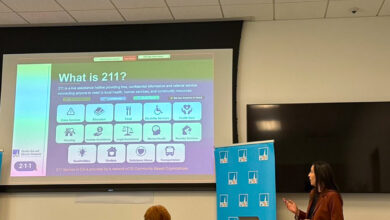
CA vs Hate is California’s nonemergency, multilingual reporting and support network. Victims and witnesses can call 833-8-NO-HATE, or 833-866-4283, Monday through Friday from 9 a.m. to 6 p.m. Pacific time. Reports can also be submitted online at any time.
The service is confidential. People may report anonymously. Summit materials said CA vs Hate does not require police involvement and does not involve Immigration and Customs Enforcement.
That point is important for immigrant and refugee communities. Some people avoid reporting because they fear immigration consequences or do not trust government systems. Officials said those fears should not prevent people from seeking help.
Support can include mental health referrals, safety planning, civil rights information, help communicating with schools or agencies, and connections to community organizations.
Commissioner Dr. Erroll Southers said people should not wait until an incident becomes a crime before reporting it.
“These incidents do not have to rise to the level of a crime to be reported,” Southers said.
For Afghan families, practical steps include saving screenshots, messages, photos, or videos; writing down dates, times and locations; identifying witnesses; reporting school-based incidents to administrators; and contacting CA vs Hate or trusted community organizations for support.
Speakers said repeated noncriminal incidents can reveal patterns and help officials understand where communities are being targeted.
The summit ended with calls for sustained funding and permanent infrastructure to continue tracking and preventing hate in California. The Commission on the State of Hate is funded through 2031, but commissioners said long-term prevention requires stable support.
For Afghan immigrants and other communities rebuilding their lives in California, the summit’s message was direct: Silence can keep hate invisible, but reporting can connect victims to help, identify patterns, and push institutions to respond.
How to get support after a hate incident
The California Civil Rights Department enforces state civil rights laws and protects Californians from unlawful discrimination in employment, housing, public accommodations, and state-funded programs. The department also addresses hate violence and human trafficking.
California vs Hate, operated by the department, is a nonemergency, multilingual hotline and online reporting portal that provides confidential support for people affected by hate crimes and hate incidents.
Victims and witnesses can call 833-8-NO-HATE, or 833-866-4283, Monday through Friday from 9 a.m. to 6 p.m. PT. Reports can also be submitted online at any time. People may report anonymously, and the service does not require police or ICE involvement.