Thurmond Puts Immigration, Healthcare and Public Benefits at Center of California Governor’s Race
Democratic candidate says immigrant protections, healthcare access and affordability should be central to California’s response to challenges facing Afghan and other newcomer communities.

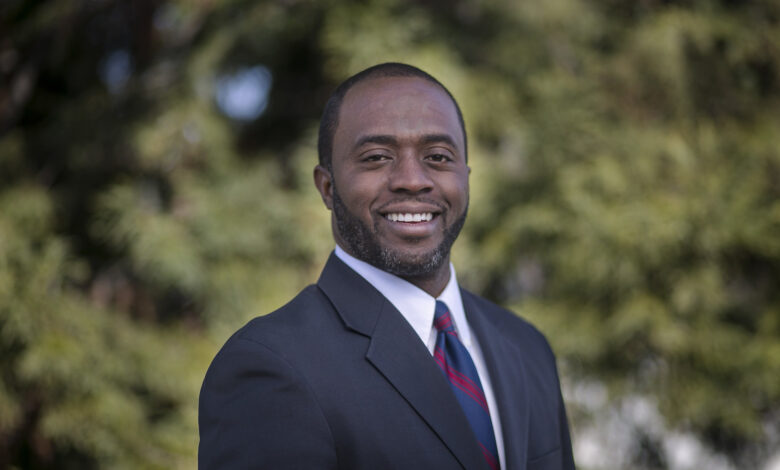
California Superintendent of Public Instruction and Democratic candidate for governor Tony Thurmond said he would make immigration protections, healthcare access, affordable housing, and public benefits central parts of his agenda if elected governor, outlining positions that could have direct implications for Afghan immigrants and other newcomer communities in California.
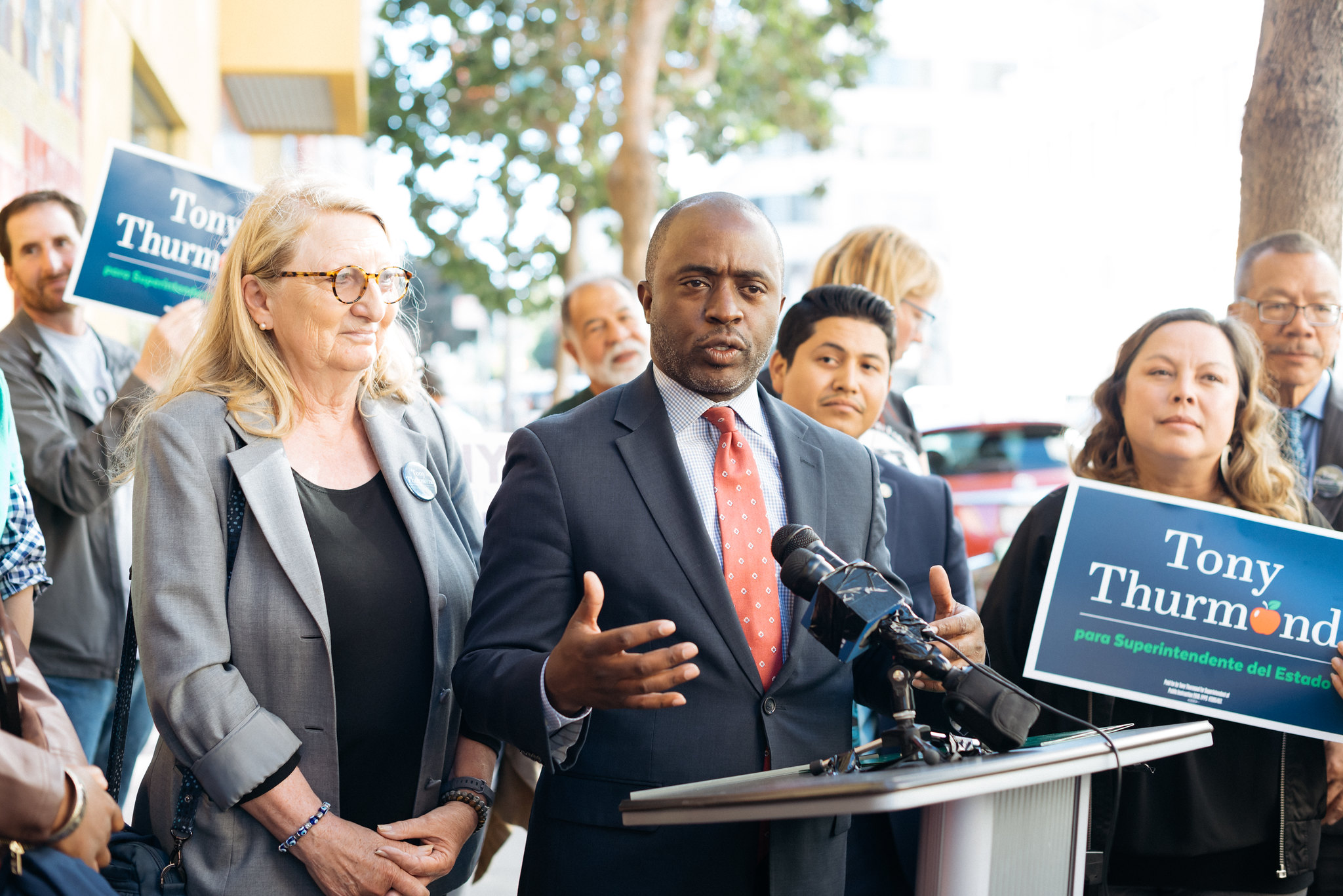
Speaking during an American Community Media briefing with ethnic and community media reporters, Thurmond said California must do more to protect immigrant families from federal immigration enforcement and preserve access to basic services, including education, healthcare, and housing support. His remarks came as immigrant communities across the state continue to face uncertainty over federal immigration policy, public benefits, healthcare eligibility, and rising living costs.
Immigration Enforcement and Legal Protection
Thurmond, who described himself as the son and grandson of immigrants, said he was the first candidate in the governor’s race to call for abolishing Immigration and Customs Enforcement, known as ICE. He said he would work with Congress to create a different immigration enforcement system and a pathway to citizenship for undocumented immigrants.
“People who work as child care workers and farm workers” are among those being deported, Thurmond said, arguing that current immigration enforcement harms working families rather than improving public safety. He said that as governor, he would seek to keep ICE out of sensitive places such as schools and hospitals and would support legislation imposing a tax on companies operating ICE detention centers in California.
For Afghan immigrants, many of whom arrived in the United States after the Taliban takeover of Afghanistan in 2021, the issue of immigration enforcement is closely connected to legal status, family stability, and access to services. Thousands of Afghan evacuees have lived under temporary immigration protections, while others continue to navigate asylum, Special Immigrant Visa, parole, work authorization, and family reunification processes.
Thurmond said California should protect immigrant children’s right to education regardless of immigration status. Responding to concerns about efforts in some states to restrict undocumented children from public education, he said all children should have access to free public schooling. He also said California school districts should not share student information with ICE.
His comments are especially relevant for Afghan families with school-age children who may be newly adjusting to the U.S. education system while also dealing with language barriers, trauma, housing insecurity, and complicated immigration cases.
Healthcare and Public Benefits Access
Healthcare was another major focus of Thurmond’s remarks. He said he supports a single-payer healthcare system and would restore healthcare access for undocumented immigrants if elected. Thurmond linked the issue to his personal experience, saying his brother died at age 35 after losing his job, losing health insurance, and being unable to access medical care.
“No person should lose their life simply because they don’t have health insurance,” he said.
Thurmond also criticized federal cuts tied to HR1, saying they could remove people from Medi-Cal and increase costs for people who rely on Affordable Care Act coverage. Medi-Cal is especially important for low-income immigrant families, including refugees, parolees, asylum seekers, and mixed-status households. Loss of coverage or fear of using public benefits can leave many immigrants dependent on emergency rooms instead of preventive care.
For Afghan newcomers, access to healthcare can be particularly important because many families arrived after war, displacement, and resettlement challenges. Community organizations have also reported high needs related to mental health, trauma, women’s health, children’s care, and language-accessible services.
Thurmond said public benefits should be protected and expanded rather than reduced. He argued that healthcare access saves money by reducing reliance on emergency care and allowing people to receive preventive treatment earlier.
Affordability, Housing and Economic Stability
Affordability was another issue he connected to immigrant and working-class communities. Thurmond proposed taxing billionaires and using the money to provide tax credits to working- and middle-class Californians. He said such support could help families pay for gas, groceries, and housing.
Housing costs remain one of the largest challenges for Afghan immigrants in California, particularly in Sacramento, the Bay Area, Los Angeles, and other areas with large Afghan communities. Many newly arrived families face high rent, limited credit history, language barriers, and difficulty finding stable employment.
Thurmond said his housing plan includes building two million housing units by 2030, using surplus school district property, supporting affordable housing construction, and providing down-payment assistance for first-time homebuyers. He also said he supports statewide rent control expansion while allowing property owners reasonable rent increases for maintenance costs.
The candidate also discussed child care, small business support, and long-term care. He said universal child care could help parents return to work and support small child care businesses, many of which are women-led. For Afghan families, where many parents work hourly jobs or are rebuilding professional lives after resettlement, affordable child care can be a major barrier to employment.
Thurmond said small businesses should receive help through reduced bureaucracy, easier permitting, and low- or no-interest loans. This could affect immigrant entrepreneurs, including Afghan-owned grocery stores, restaurants, service businesses, and media or consulting ventures.
Although Thurmond’s comments were made in the context of a political campaign, the issues he raised reflect broader concerns among immigrant communities in California: legal protection, public education, healthcare access, affordable housing, child care, public benefits, and economic stability.
For Afghan immigrants, the practical question is how state policy can help families move from emergency resettlement toward long-term security. Thurmond’s remarks suggest that immigration protections and public benefits would remain central issues in California’s governor’s race.
This interview is part of a series hosted by American Community Media to give ethnic media outlets direct access to gubernatorial candidates on issues including immigration, health care, and affordability ahead of the June primary.