PG&E Opens All-Electric “PowerHouse” to Show California’s Energy Future
San Ramon’s all-electric PowerHouse showcases cleaner, smarter home energy for California.

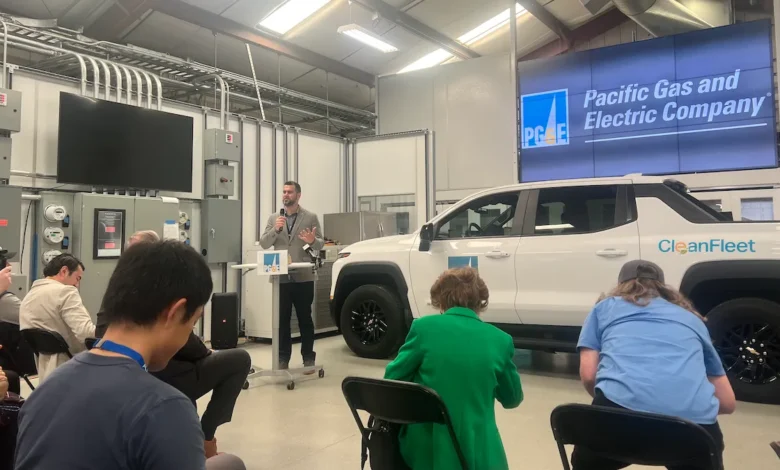
SAN RAMON, California — Pacific Gas and Electric Company has opened a fully electric model home in San Ramon to show how California households may live, cook, drive, and manage power in the future.
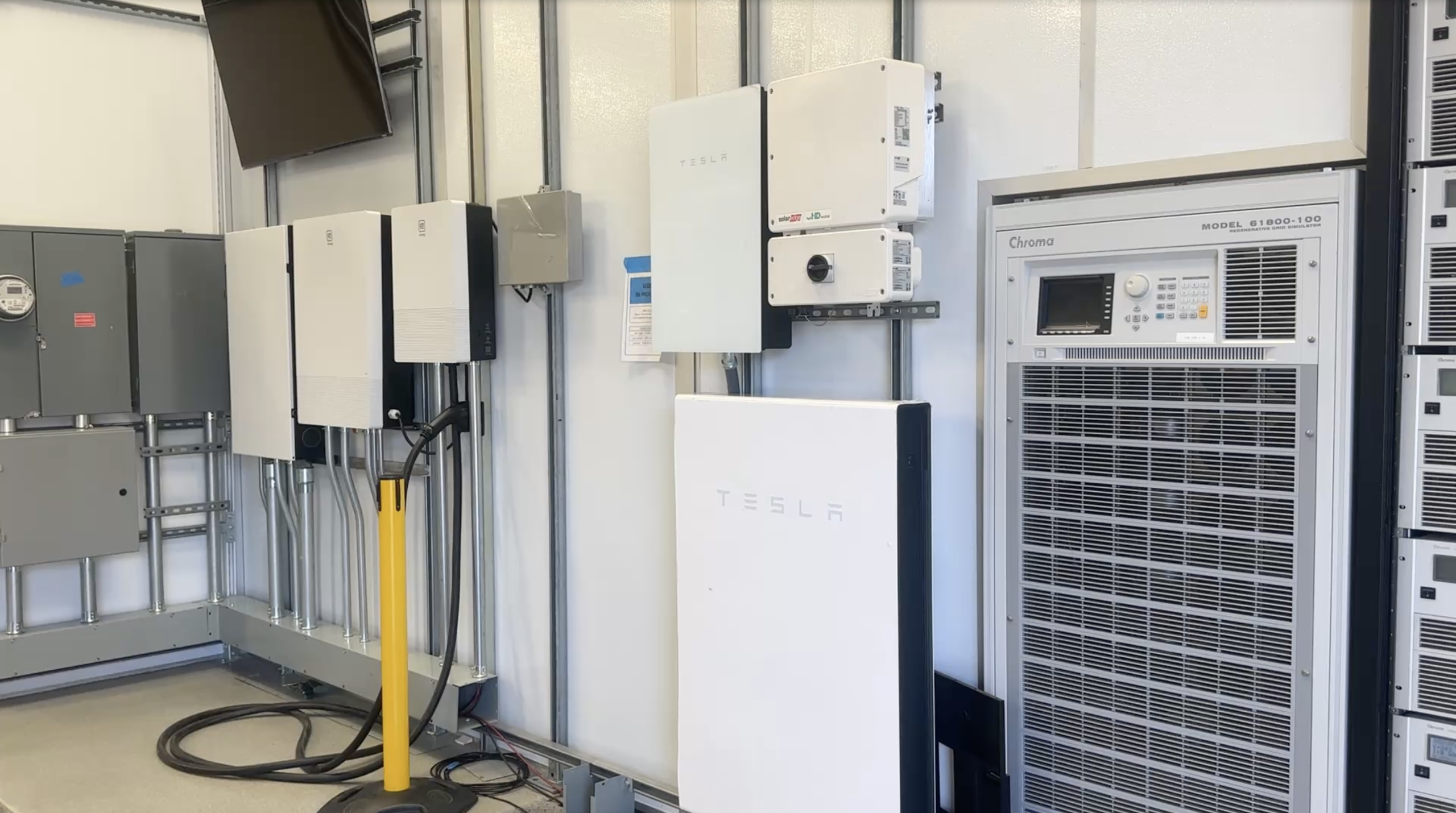
The project, called the PG&E PowerHouse, is both a demonstration home and a working technology lab. Inside the home, PG&E and its partners are testing clean-energy tools such as bidirectional electric vehicle charging, smart electric panels, advanced meters, heat pumps, battery storage, and induction stoves.
PG&E says the goal is to make home electrification easier, cheaper, and less confusing for customers who want to move away from gas appliances or add electric vehicles but may worry about high costs, complicated installations, or electrical upgrades.
The PowerHouse was unveiled on April 17 at PG&E’s Applied Technology Services facility in San Ramon. The home is designed to show customers, contractors, policymakers, and community groups how an all-electric home can work in real life, from daily energy use to emergency backup during power outages.
Making Home Electrification Easier for California
For many California families, including immigrant and low-income households, switching to electric appliances can feel difficult. A home may need a new electrical panel, extra wiring, or service upgrades before adding an electric vehicle charger, heat pump, or induction stove. Those upgrades can cost thousands of dollars.
PG&E officials said the PowerHouse is intended to test ways to reduce those barriers.
“Seeing is believing,” said Mike Delaney, PG&E’s vice president of strategy and innovation, in the company’s announcement. He said PG&E wants to remove the “barriers of cost, time and complexities” so customers can make the transition with less stress.
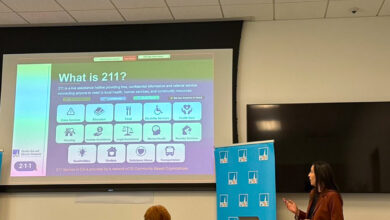
At a media demonstration organized with American Community Media, journalists toured the home and saw how different technologies worked together. One major focus was the connection between the home, the electric grid, and electric vehicles.
In a traditional system, electricity flows from the grid into a home and then into an electric car. In the PowerHouse model, electricity can also flow in the other direction. An electric vehicle can help power the home during an outage or potentially send energy back to the grid when demand is high.
This approach is often called vehicle-to-home, vehicle-to-grid, or vehicle-to-everything technology.
During the demonstration, a Tesla Cybertruck was used to show how an electric vehicle could help power the home. PG&E and Tesla representatives explained that the Cybertruck currently has Tesla’s “Powershare” capability, which allows the vehicle to provide backup power. Tesla representatives said the company plans to expand similar features across more vehicles over time.
PG&E has also been testing electric vehicle technology for decades. Jason Pretzlaf of PG&E told attendees that the company has been studying electric vehicles since 1989. The PowerHouse, he said, takes that work further by showing how cars, homes, and the grid can work together.
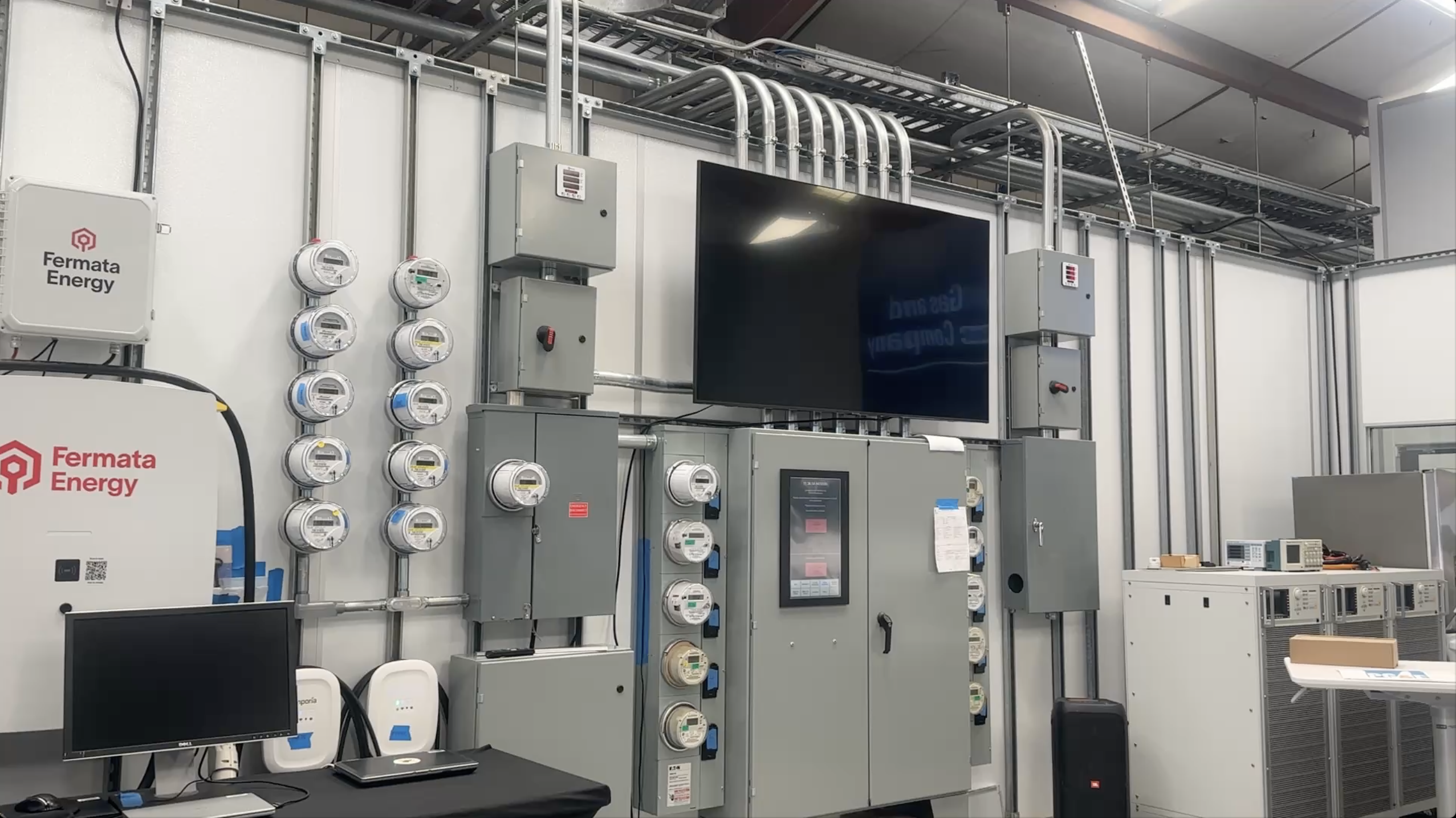
Another key technology on display was the smart electric panel. SPAN, one of PG&E’s partners, demonstrated a panel that allows homeowners to monitor and control electricity use in real time. The system can help manage the load in a home so customers may be able to add new electric appliances or EV charging without a costly panel upgrade.
Arch Rao, CEO of SPAN, said the company’s panel can replace an existing electrical panel, while another device, SPAN Edge, can work with a home’s current smart meter. He said the smaller device is designed for faster installation and could give customers some benefits of electrification without major electrical work.
Inside the home, Itron demonstrated grid-intelligence technology that can provide real-time information to customers and utilities. Such systems can alert customers about outages, monitor energy use, and help the electric grid respond more quickly to changing conditions.
The PowerHouse also includes heat pumps for space and water heating, induction cooking, and battery storage. These technologies are part of California’s broader effort to reduce greenhouse-gas emissions from homes and buildings.
PG&E says many of the projects tested at the PowerHouse are supported by the Electric Program Investment Charge, known as EPIC. This public-purpose program funds demonstrations of new technologies intended to improve safety, reliability, affordability, environmental sustainability, and equity for California electric customers.
Chris Moris, who leads grid research, innovation, and development at PG&E, said the company is preparing for a future with millions of electric vehicles. He said better technology could help some customers avoid large grid-upgrade costs as they add EV chargers, heat pumps, and other electric devices.
The PowerHouse comes as California’s electricity system is facing growing demand. More residents are buying electric vehicles, cities are encouraging cleaner buildings, and extreme weather has increased attention to backup power and grid resilience.
At the same time, PG&E is also moving to extend operations at Diablo Canyon Power Plant, California’s last nuclear power plant. On April 2, the U.S. Nuclear Regulatory Commission approved PG&E’s application for a 20-year license renewal for Diablo Canyon. PG&E says the plant provides electricity to about four million Californians and produces nearly 20 percent of the state’s clean energy.
Extending Diablo Canyon beyond 2030 would still require action from the California Legislature. Supporters say the plant helps maintain reliability as electricity demand grows. Critics have long raised concerns about nuclear waste, safety and California’s transition to renewable energy.
Together, the PowerHouse and Diablo Canyon decisions show how California’s energy future is being shaped on several fronts: cleaner homes, electric vehicles, smarter grids, and large-scale clean power sources.
What This Means for Customers
For ordinary customers, the most immediate question is practical: how much will electrification cost, and will it work for their homes?
PG&E says the PowerHouse is meant to help answer those questions before technologies are widely adopted. The company says lessons from the home will guide future customer programs, contractor training, and tools such as its Clean Energy Calculator, which helps customers estimate costs and possible savings.
For families in Northern and Central California, including Afghan and other immigrant communities served by PG&E, the shift to electrification may affect future decisions about cars, appliances, utility bills, and home safety. The PowerHouse does not answer every affordability concern, but it offers a clear look at where California’s energy system is heading.
This story was written as part of the ACoM-PG&E Future Energy Fellowship project.
About PG&E
Pacific Gas and Electric Company, a subsidiary of PG&E Corporation (NYSE:PCG), is a combined natural gas and electric utility serving more than 16 million people across 70,000 square miles in Northern and Central California. For more information, visit pge.com and pge.com/news.