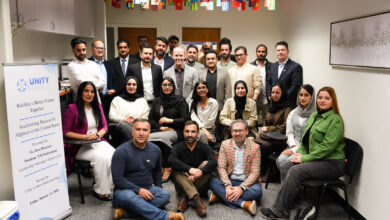
Between Fear and Engagement: Afghan Immigrants Find a Path Into California’s Civic Life

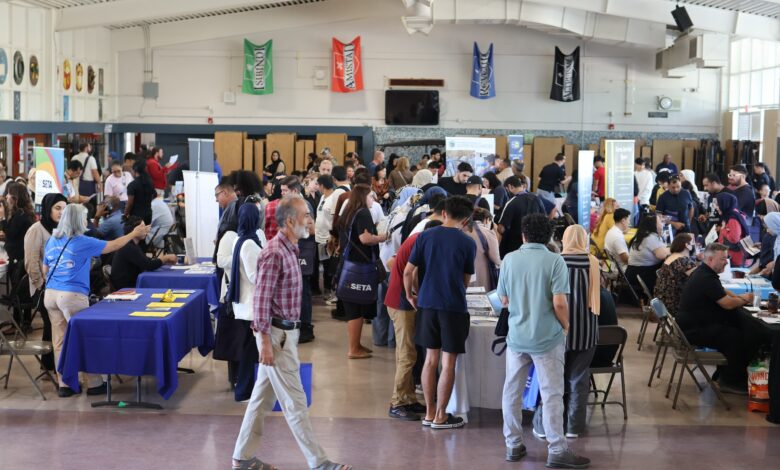
For many Afghans who have arrived in the United States in recent years, building a new life involves more than finding housing, work, or schools for their children. A less visible challenge is learning how to participate in the civic life of their new communities.
In the United States’ local governance system, residents can attend school meetings, city council sessions, and other public gatherings; raise concerns; learn about services; and sometimes influence decisions. But for many Afghan immigrants, such participation is unfamiliar and often accompanied by hesitation and fear.
Community leaders in California say three main barriers shape Afghan immigrants’ civic participation: limited English proficiency, a lack of familiarity with local government structures, and fear of interacting with public institutions.
Jafar Wahedi, head of the nonprofit Afghan Hope Association in California, said many immigrants still carry the belief that their voices will not be heard in public institutions.
“Many still think that, like in Afghanistan, no one will listen to them or that they won’t even have the opportunity to meet officials,” he said. “But the system here is different.”
That perception, he said, causes some families to hesitate even to attend school meetings or local community sessions.
Past experiences and distrust
Some of that hesitation stems from immigrants’ previous experiences with government.
In Afghanistan, many citizens had limited opportunities to participate in public decision-making, and direct access to government officials was often difficult for ordinary people. In such an environment, many people learned to keep their distance from formal institutions, lower their voices, and expect little accountability.
Wahedi said those experiences often make immigrants cautious about engaging with public institutions in the United States.
“In Afghanistan, people usually do not have direct access to officials,” he said. “Many of us have grown accustomed to thinking that even if we raise a concern, it won’t make a difference.”
Ramin Khanzada, who leads a nonprofit organization in Concord, said changing that mindset takes time.
“When someone has lived for years in a system where their voice was not heard, it’s natural that they won’t trust a new system right away,” he said. “But when they experience something different for the first time, that perspective slowly begins to change.”
Community advocates say even small experiences—such as attending a school meeting or speaking with city officials—can gradually narrow the distance between immigrants and public institutions.
When voices are heard
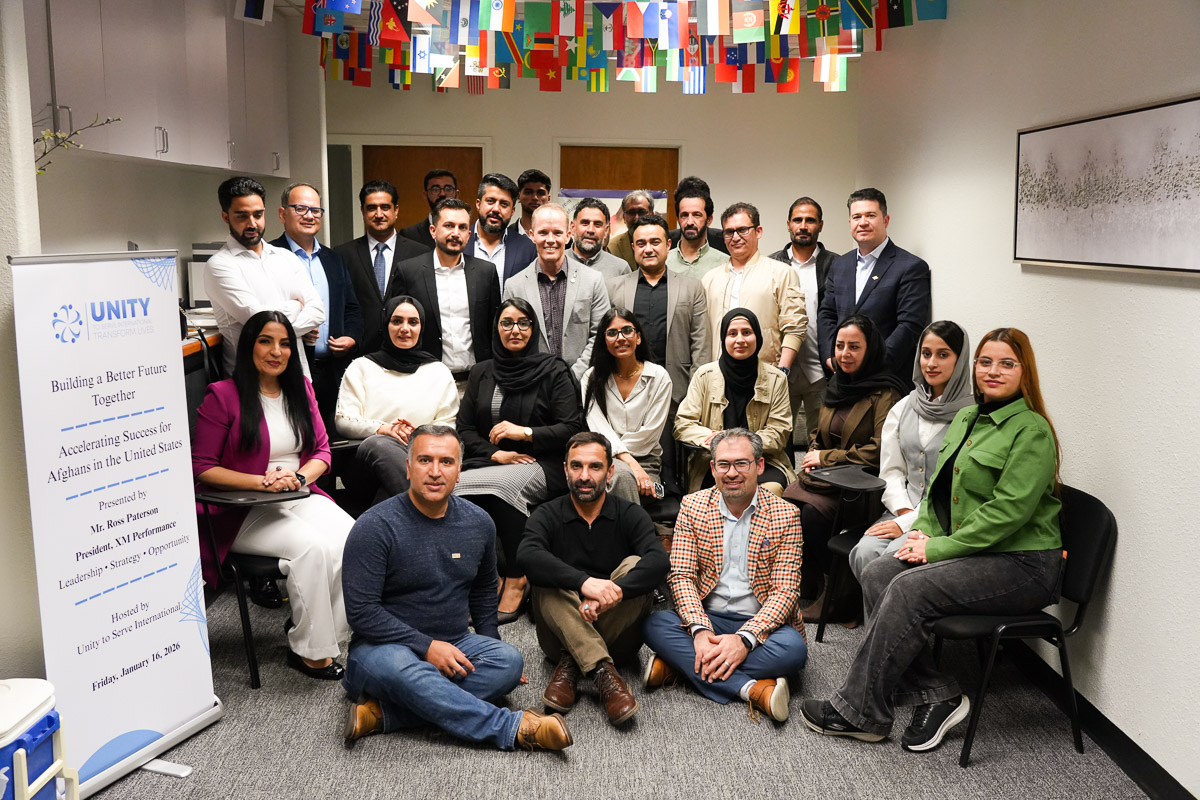
Despite the challenges, some Afghan immigrants in California have found ways to engage with local institutions.
Wahedi said his first experience with civic participation began at meetings at his children’s school, where he realized he could share his views as a parent and have a role in his child’s education.
“At first I was afraid that maybe no one would listen to us,” he said. “But when I went, I saw that they welcomed us and listened carefully to our concerns.”
The experience encouraged him to participate later in city meetings in Elk Grove, where he raised issues affecting the Afghan immigrant community with local officials.
Khanzada said he had a similar experience when he first attempted to contact city officials.
“At first I thought maybe no one would listen to me,” he said. “But when I met the mayor of Concord, he listened respectfully to what I had to say. That changed my perspective about engaging with public institutions.”
Schools as a first gateway
For many Afghan immigrant families, their first interaction with civic structures in the United States comes through their children’s schools.
Abid Stanekzai, an Afghan immigrant who serves on the board of the San Juan Unified School District in Sacramento, said family participation in school meetings remains limited but can be one of the most important entry points into civic engagement.
“In Afghanistan, it’s not common for families to regularly visit schools and discuss their children’s education,” he said. “For many immigrants, this is a new experience.”
He said participation by families can strengthen connections between schools and parents while also influencing educational decisions.
Stanekzai said the San Juan district has taken steps to bridge that gap, including translating educational resources, providing interpreters at meetings, hiring Afghan staff, and creating a team dedicated to working with newly arrived families.
He cited one example in which a group of Afghan families asked schools to provide time for students to pray during the day.
“That request was accepted,” he said.
Building trust through city programs
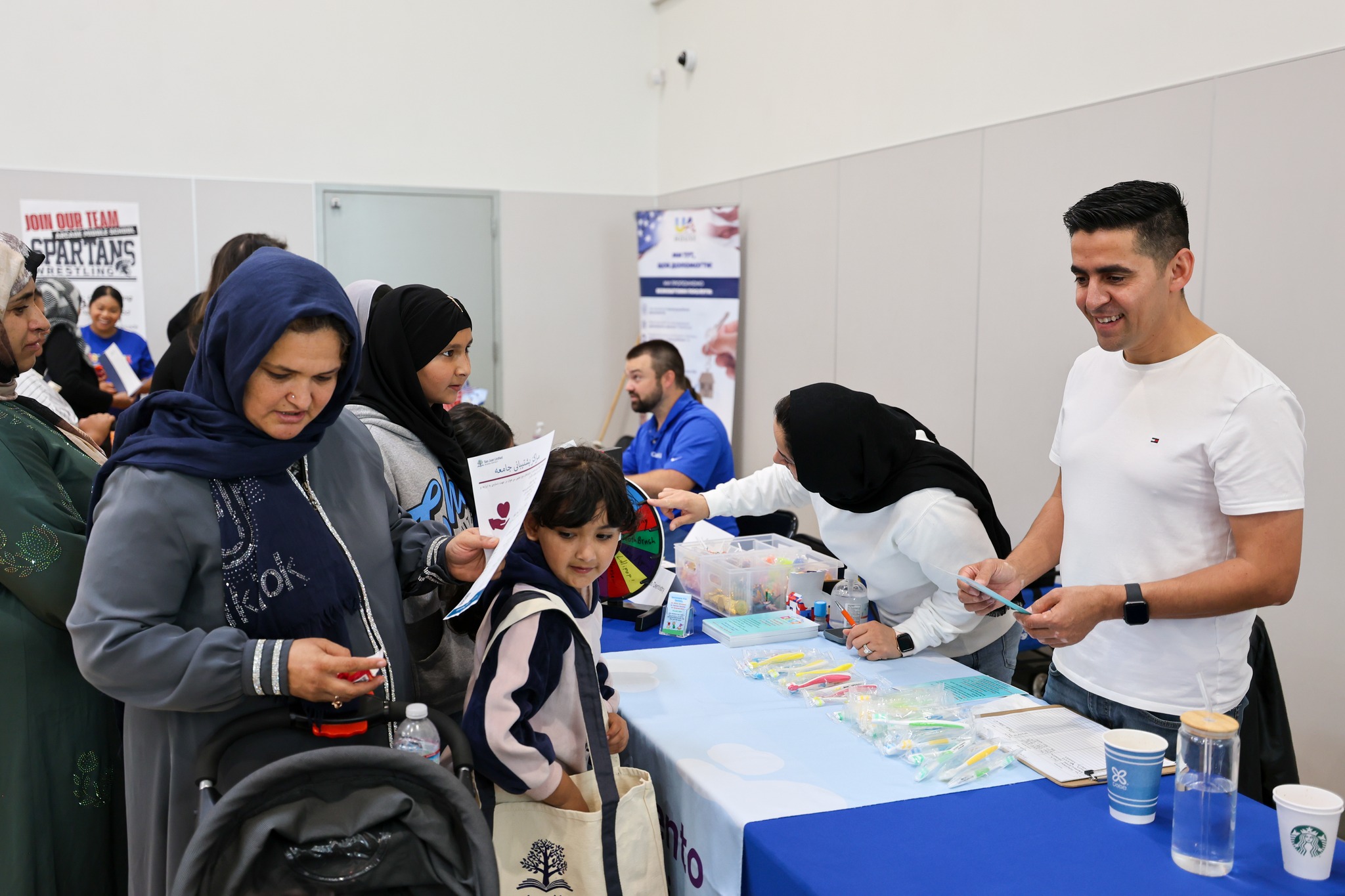
At the city level, Sacramento officials have also launched programs to strengthen connections between local government and immigrant communities.
One of the most significant initiatives is the “Community Ambassadors” program, which aims to serve as a bridge between city government and immigrant communities.
“We currently have 18 community ambassadors representing different backgrounds, ethnicities, and, most importantly, languages,” said Lynette Hall, Sacramento’s director of community engagement. “Through them, we are able to communicate in more than 21 languages, including Farsi and Pashto. Two of those ambassadors represent the Afghan community.”
Hall said the city has learned that simply translating documents is not enough.
“In many cases there is mistrust toward government, particularly the federal government,” she said.
As a result, the city works with trusted individuals who are already known within their communities.
Challenges that remain
Despite these efforts, obstacles remain. Limited English proficiency, unfamiliarity with government systems, and fear of interacting with institutions remain major barriers to civic participation among Afghan immigrants in California.
Stanekzai said many families still do not know how to participate in meetings or express their views.
“Some families don’t know what to say in a school meeting or how to ask questions,” he said. “Because of that, many prefer not to attend at all.”
Economic pressures also prevent some families from participating in public meetings.
Ferozan Nikzad, an Afghan community ambassador with the city of Sacramento, said financial pressures often limit participation.
“Many families spend all their time working to support their households,” she said. “Even if they want to attend city or school meetings, they don’t always have the time.”
Paths toward greater engagement
Community leaders and local officials say stronger civic engagement will depend on clear information, civic education, language access, and direct connections with city institutions.
Aisha Wahab, an Afghan American and a member of the California State Senate, said learning English and building relationships within American society are key factors in achieving success and civic engagement in a new country.
Nikzad said the Afghan community should participate more actively in educational programs and local government meetings.
“My suggestion for the Afghan community is to attend educational programs and city meetings, learn about local laws, and express their views without fear,” she said.
Hall said, “I want to say that you are not alone,” she said. “Many Americans are also afraid to engage with government. Just try. Our staff are always available at City Council meetings.”
She encouraged residents to reach out and visit the city’s website, where they can find information about community ambassadors, including those representing the Afghan community, and contact them directly.
Khanzada said reaching out can be simple.
“The best way is to send an email or make a phone call to a public institution in your city,” he said. “There will definitely be someone who will listen, and there is no reason to worry.”
Stanekzai said greater participation is essential.
“Given the current circumstances, we must come out of our homes and participate actively,” he said. “Today we can attend public meetings and share our views. Tomorrow we can participate in city elections and choose our representatives. When we participate, our voices are heard,” he mentioned.
California is home to one of the largest Afghan immigrant populations in the United States, estimated at about 100,000 people. For many of them, civic participation is not only about attending public meetings—it is also part of building trust, developing a sense of belonging, and finding a place in the society that has become their new home.